Enhancing social and environmental aspects by opening up the seaside to the community, revitalizing and reintroducing nature to a dysfunctional and neglected urban site, and former industrial harbor in the central area of Tallinn within the Boreal climatic zone.
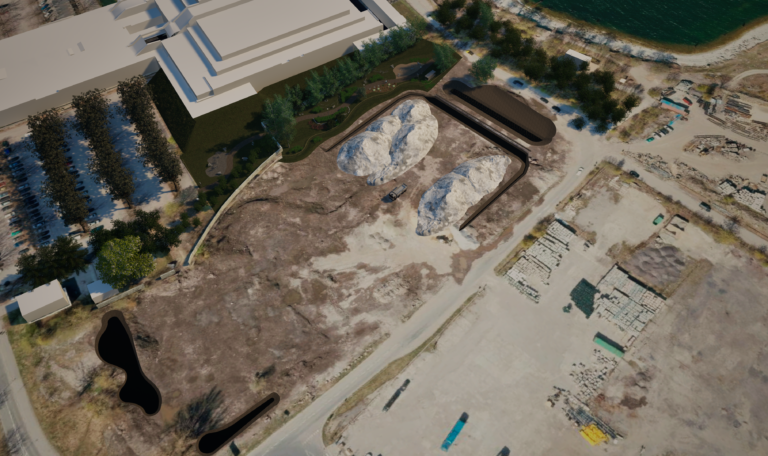
Tallinn: The Tallinn pilot site is located in the city centre, next to the harbour. Covering approximately 40,000 m², it is currently a fenced brownfield used as a municipal snow disposal site during winter. Despite its central location, the area remains underused and mainly serves as a transit route for people heading to the nearby seaside.
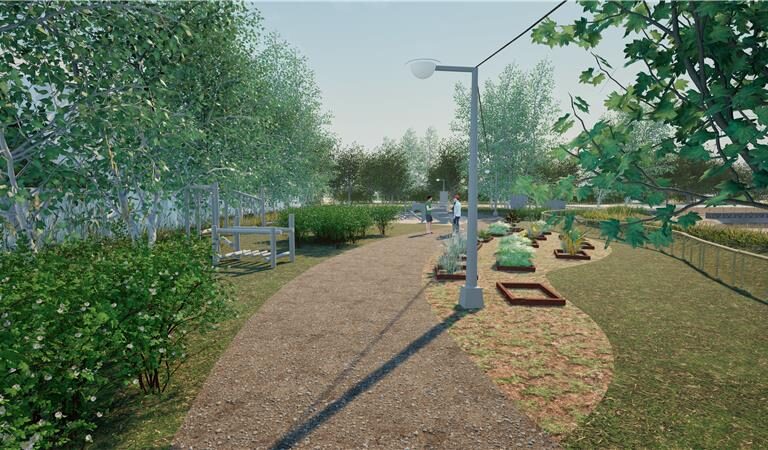
The project aims to transform this snow dump into a safe, attractive, and multifunctional public space that demonstrates how Nature-Based Solutions can enhance urban resilience in a coastal setting. Through landscape redesign, improved accessibility, and environmental innovation, the site will support both ecological restoration and public use.
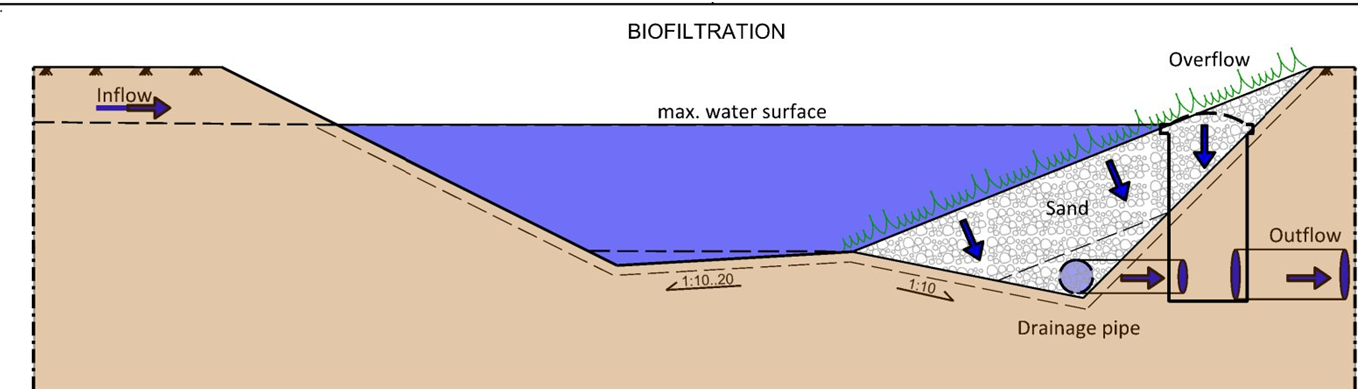
A key component is a nature-based snowmelt purification system. Meltwater from stored snow, which contains road salt, oils, heavy metals, and microplastics, will be collected and treated through a sequence of natural elements including a constructed wetland, retention pond, and infiltration area. As water passes through layers of mulch, gravel, soil, and vegetation, pollutants are filtered through natural processes. If elevated contamination levels are detected, the system can redirect the flow to the municipal wastewater network.
Construction works are planned to begin in June 2026 and are expected to be completed by the end of the year.
Using a Living Lab approach, including workshops, public events, and collaboration with TalTech University, the project actively engages stakeholders and promotes long-term stewardship. The Tallinn pilot demonstrates how environmental infrastructure can be integrated into high-quality public space, contributing to a more resilient and sustainable coastal city.
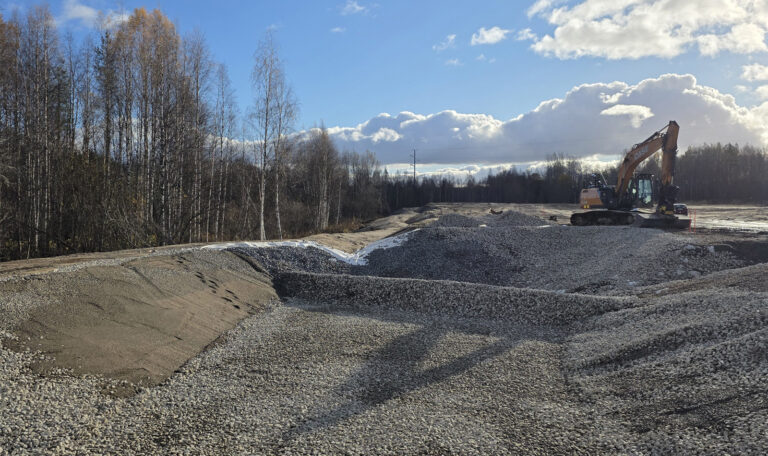
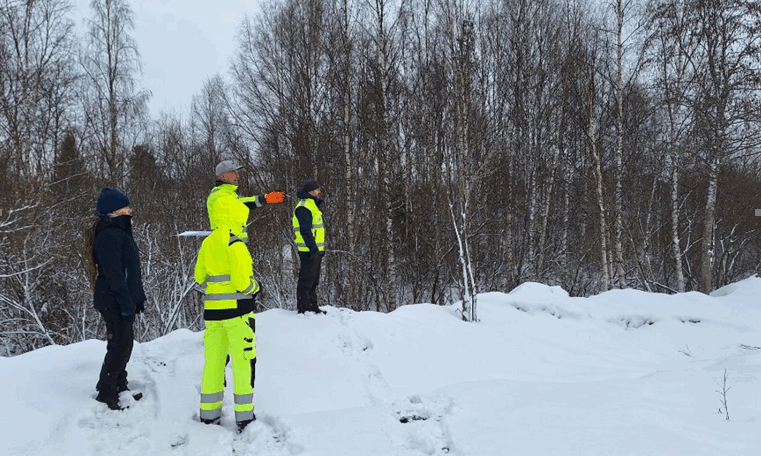
Kajaani: The pilot site in Kajaani is an important local snow dumping area called Pyykönpuro. At present, there is no system in place for filtering or treating the meltwater. This results in the discharge of pollutants, debris, and other contaminants into the stream and downstream water bodies. This poses a risk to water quality and the surrounding ecosystem.
The project will introduce NBS measures to treat snowmelt runoff before it enters the stream. This is expected to significantly improve water quality and reduce the litter load.
The pilot can serve as a demonstration site for nature-based solutions in cold climate urban environments, raising awareness and providing transferable knowledge for other Arctic and sub-Arctic towns.